Although the ill-fated Triumph GT6R was destroyed not long after its creation, a few 'replicas' have been built. Here I document three.
1. Richard Lloyd
Richard Lloyd was a British racing car driver and founder of multiple sports car and touring car teams. Best know for founding GTI Engineering, he drove in multiple championships himself, including the British Saloon Car Championship and the World Endurance Championship. He drove Spitfires for the Gold Seal team in the late 1960’s, and early 70’s. He was also a team principal for various outfits culminating in running the Bentley EXP Speed 8 program in 2001.
After his successful career Richard decided he needed to get back behind the wheel of a Spitfire racer again. The result of this was his regular entry into races in his Spitfire 412VC. He then planned to build a replica GT6R with his talented mechanic Peter Clarke who worked for the Triumph Competition department, and had memories of the car.
They started with a 1965 Spitfire Mk2, which was cut with an angle grinder down the middle and widened by 3 inches (like the Windmill Plastics fibreglass GT6 body which was acquired by Andrew Talbot). Then it was farmed out to CPP (Coventry Prototype Panels). According to CarsUK “CPP is one of those hidden gems of the motor world. A company run by MD Brendan O’Toole it has in-house what are considered to be one of the best skill sets in the UK. So why haven’t you heard of CPP Manufacturing? Probably because they work on cars that you wouldn’t associate with anyone but the maker”. The car was made from steel with some aluminium alloy panels (as was the original) with a new widened fibreglass works rally style roof. According to David Pearson “This was not an inexpensive undertaking with the bonnet alone consuming a large number on man hours to fabricate using traditional methods”.
Richard Lloyd gradually lost interest in the project, even before he prematurely died in a plane crash in 2008. It was sold off in 2009 together with a logbook and chassis number plate for a 1965 Spitfire BCC 452C intended to be used.
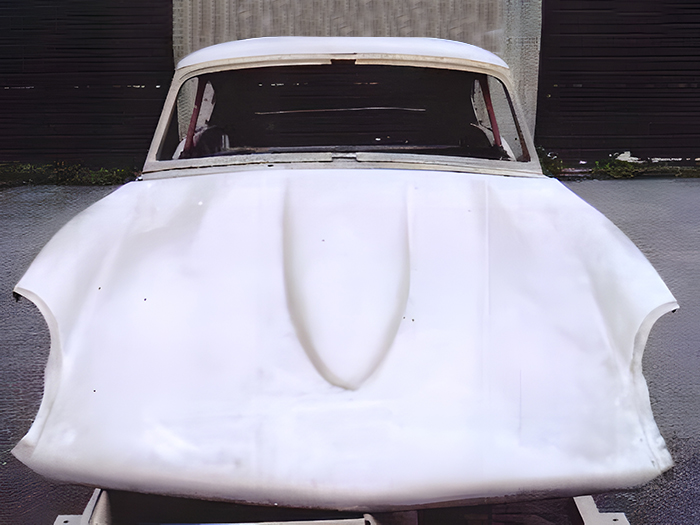
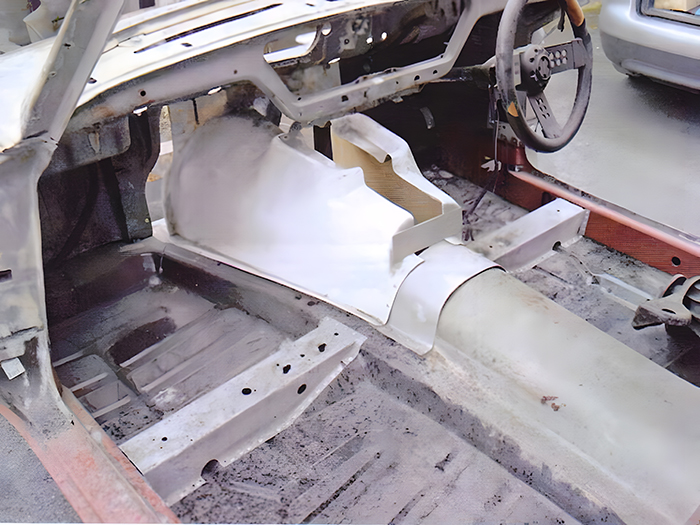
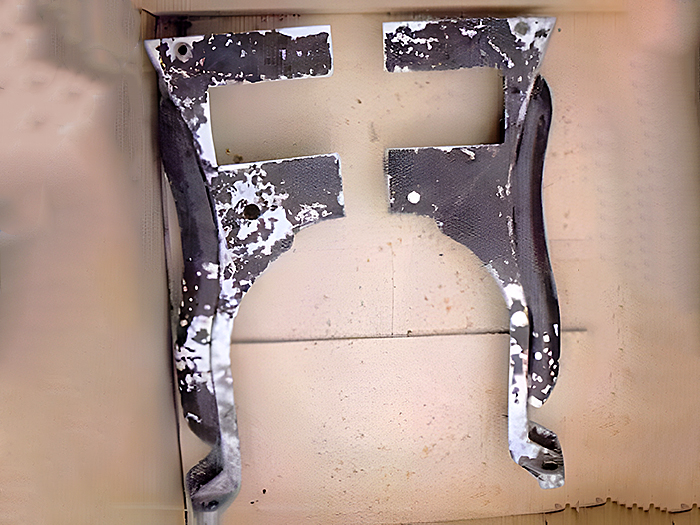
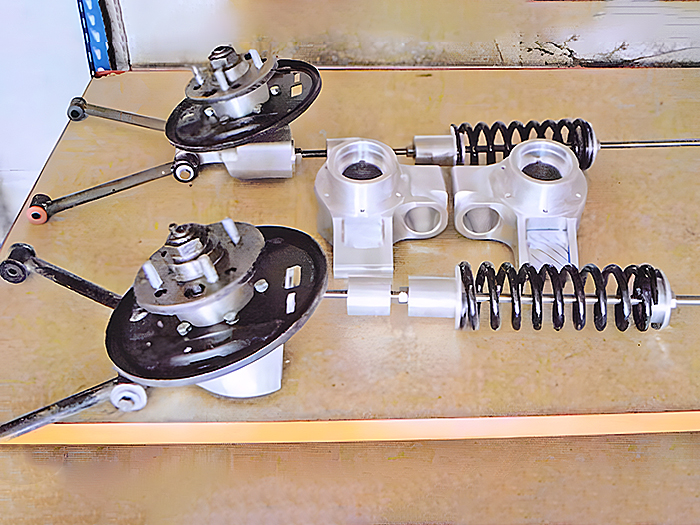
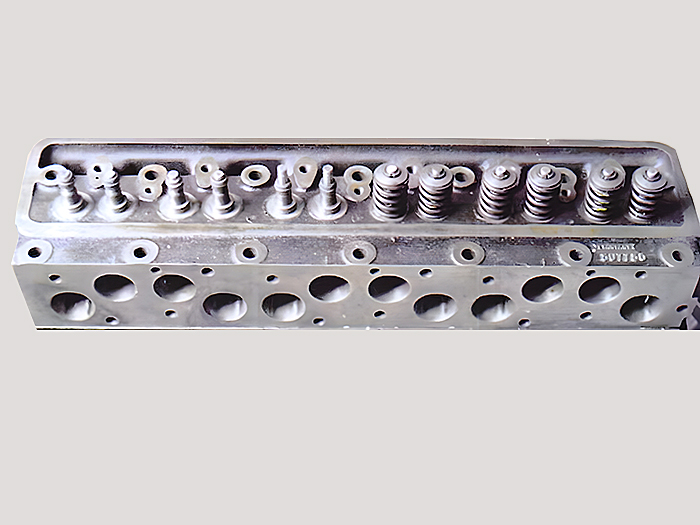
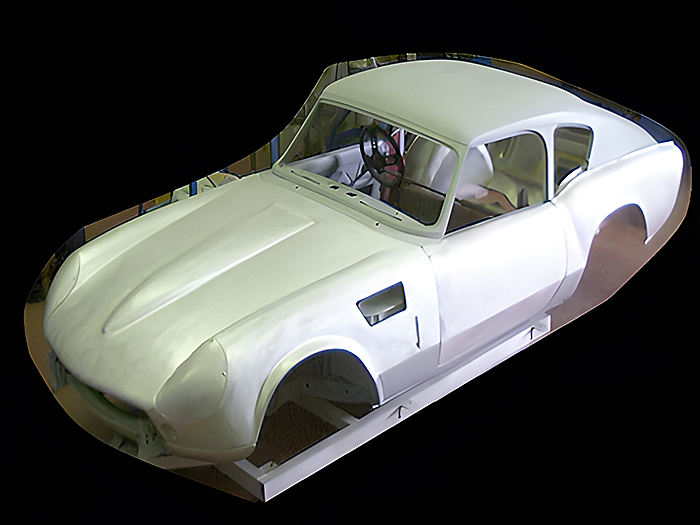
The above images are courtesy of Canley Classics
2. ADU 5A
This car was on eBay in November 2014. It was described as:-
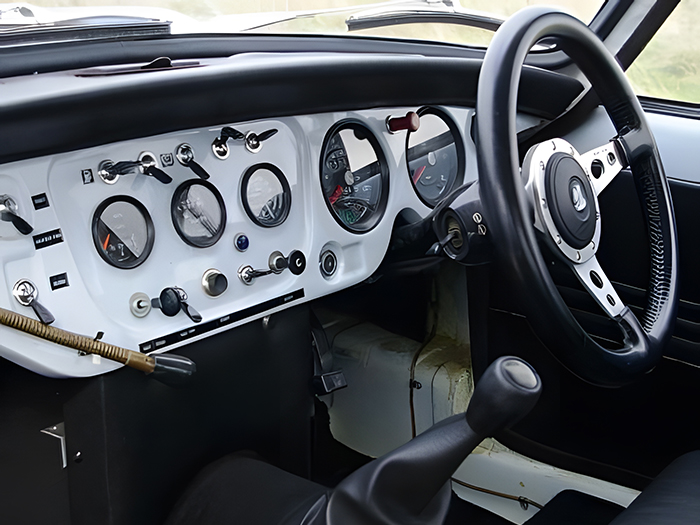
“constructed on a 1963 Triumph Spitfire using all composite T6 Fabrications bodywork has had ongoing development since its inception and includes a fabulous specification. Its registration number echoes the period competition Spitfires who wore the ADU number plates. The car is fitted with a rebuilt, 2.0 litre straight six Triumph engine with a Peter Burgess head, Le Mans oil filter, a Type 9 close ratio five speed gearbox and a Quaife limited slip differential. Fuel is delivered via an electric pump feeding the triple 40 DCOE DellOrto carburettors. Exhaust extraction is by means of a tubular extractor manifold through a full stainless steel system. A 123 distributor provides the sparks and an aluminium radiator and oil cooler provide the cooling. Stopping power is delivered by Lockheed four pot callipers and ventilated discs at the front with GT6 drums at the rear. The brake system has an adjustable biased twin circuit, as per the original prototype. The front suspension has the Lotus trunnionless set up with aluminium hubs. At the rear, CV drive shafts and an aluminium lower wishbone conversion stop the infamous Spitfire rear wheel tuck under. Gaz adjustable shock absorbers are fitted on all four corners. The interior is fitted with a half roll cage and new FIA four point harnesses with bucket seats. The instrument panel has several gauges to keep the driver well informed and a Moto-Lita leather/aluminium steering wheel provides directional control. An aluminium period replica fuel tank sits behind the seats and is fed a via large, quick release Le Mans style fuel filler. It is UK registered as a 1963 Triumph Spitfire Sports with its 2000cc engine capacity also recorded upon the V5. The car regularly wows the crowds at many events and recently run the test hill at the 2014 Brooklands Double Twelve and the 2014 Kop Hill”. Reflecting the spirit of the 1960’s Triumph racing cars, ADU 5A was invited to the 2014 Goodwood Members Meeting and represents a fabulous tribute to a bygone age of Le Mans motor racing”.
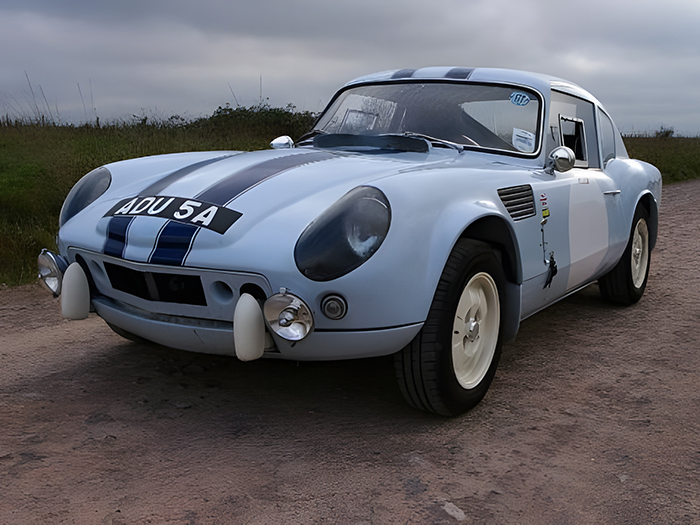
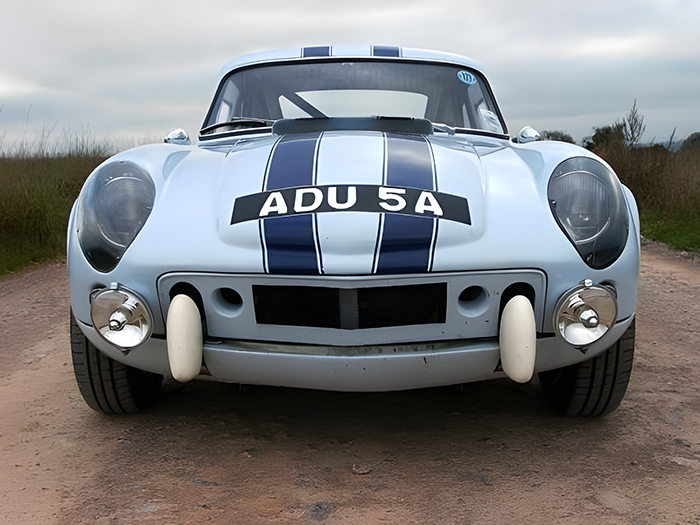
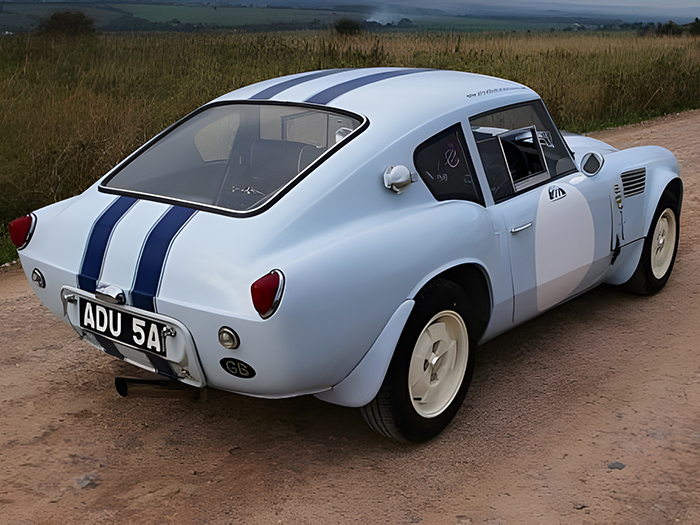
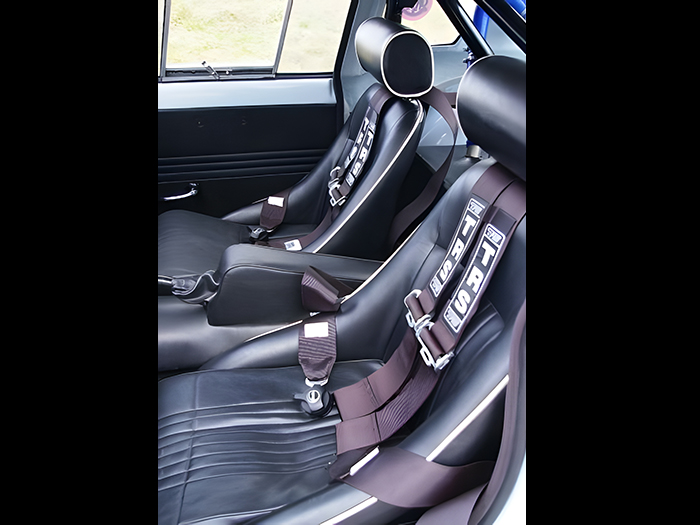
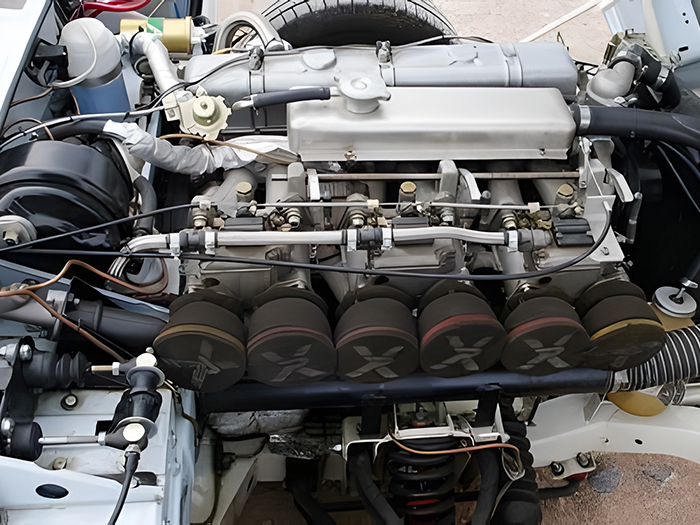
The above images are from eBay
4. Fabrizio Comi


Fabrizio Comi
Fabrizio Comi started by obtaining a GT6 “wreck” (a Wedgewood Blue1969 GT6 Mk2) with the intention of competing in current historic competitions. First, the bodywork and engine were restored in a conventional way with the exception of the twin Stromberg carburettors which were replaced by three Weber 40 DCOEs. In the meantime he was assembling information of the original GT6R. Starting with the only three photographs available (2 from Graham Robson and 1 from Dave Pearson of Canley Classics) he eventually collected newspaper articles from the time, magazine clippings, and the testimonies of Robson himself and some of the technicians who worked on the car at the time. This gave him the confidence to turn his GT6 into the GT6R replica he had always dreamed of making.
He was helped in his venture by Canley Classics’ Dave Pearson, Mark Field of Jigsaw Racing (who later went on to build a Le Mans Spitfire replica himself) and Michael Mönstermann (who at the time was restoring the ADU7B Rally Spitfire). First, the engine was moved back by 70mm and lowered by 30mm. A new Fibreglass bonnet was made similar the original and the rear wings and valance were remade in aluminium and riveted to the bodywork. The steel fastback was replaced by fibreglass moulded on the original. Window glass was replaced by Lexan Polycarbonate, except the windscreen. A new 90 Litre fuel tank was fabricated in aluminium to the original dimensions, and located behind the seats.
The front suspension was fairly stock albeit with new adjustable AVO shock absorbers. However the rear suspension was completely changed based on the original specifications; i.e. with geometry like that of the Lotus Elan.The set-up was completed by the mandatory roll bar bolted to the chassis in accordance with FIA regulations, a mechanical fire extinguishing system, a battery cut-off switch, and the approved four-point seat belts. Dunlop CR65s tyres were used which resemble those of the era in both compound (204) and size.
The 6-cylinder engine with the GT6 Mk 2 block had its cylinder head replaced with an original MkI head (albeit with larger valves), supplied along with other parts by Canley Classics. The compression ratio was increased to 11:1 and forged aluminium pistons were fitted. The 40 DCOE Weber carburettors were replaced by 45 DCOE carburettors and an oil cooler was fitted. A power output of around 150 hp at 7,500rpm was anticipated, with useful torque starting at 5,000rpm. The gearbox was replaced by a new strengthened one built into a Canley Classics aluminium case (as is my GT6) of which only 30 to 40 were made. The final drive ratio was shortened from the standard 3.27:1 to 3.63:1.
A dual braking system was fitted, with the pedal using a rocker arm to control two pumps, each of which worked on one axle. Girling AR monoblock calipers made from solid aluminium were adopted, like those used on British racing cars and almost all F1 cars of the the 1960s.
Although the Le Mans racing Spitfires were painted in British Racing Green it was decided to paint the GT6R in blue to match the Rally Spitfires of the time.